.png)
Understanding the 221(g) Visa Refusal and "Refused" Status
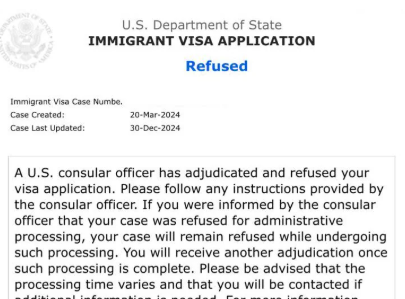
Understanding the 221(g) Visa Refusal and "Refused" Status
If you've recently attended a U.S. visa interview and received a 221(g) refusal notice, you might notice that your visa status is marked as "Refused" on the Consular Electronic Application Center (CEAC) website. This can be concerning, but it's important to understand what this status means and how it relates to your visa application process.
What Does 221(g) Mean?
Section 221(g) of the U.S. Immigration and Nationality Act allows a consular officer to temporarily refuse a visa application if additional information or documentation is required, or if the application is undergoing administrative processing. This is not a final denial but a pause in the decision-making process. The officer will inform you of the specific reasons for the refusal and any steps you need to take. (Travel.gov)
Why Does the CEAC Status Show "Refused"?
After your interview, even if you've provided the requested documents or information, the CEAC status may still display "Refused." This indicates that the consular officer has not yet made a final decision on your application. The status will remain "Refused" until the administrative processing is complete and a final determination is made. (Goldstein Immigration Lawyers)
What Should You Do Next?
Provide Requested Documents Promptly: If the consular officer has asked for additional information or documents, submit them as soon as possible. Failure to do so within a year may result in the need to reapply and pay a new application fee. (Travel.gov)
Monitor Your CEAC Status: Regularly check the CEAC website for updates on your visa status. The status will change from "Refused" to "Administrative Processing" and eventually to "Issued" once a decision is made.
Be Patient: Administrative processing times can vary. While some cases are resolved in weeks, others may take several months. Unfortunately, there is no set timeline for this process. (Goldstein Immigration Lawyers)
Key Takeaways
"Refused" Status is Temporary: It indicates that your application is under further review, not that it has been denied.
Follow Instructions Carefully: Ensure you provide all requested documents and information promptly.
Stay Informed: Keep an eye on your CEAC status and be prepared for any additional steps.
Remember, a 221(g) refusal is a common part of the visa application process and does not necessarily mean your visa will be denied. By staying proactive and patient, you can navigate this phase successfully.